Pages

Search This Website

Sunday, July 6, 2025

Check land record online : किसी भी जमीन का पुराना रिकॉर्ड ऑनलाइन यहा से निकाले


Check land record online : किसी भी जमीन का पुराना रिकॉर्ड ऑनलाइन यहा से निकाले

1. Gujarat: AnyROR (Any Records of Rights)

Gujarat sarkar ne AnyROR portal launch kiya hai, jisse aap apne zameen ke records online dekh sakte hain. Yeh website aapko 7/12 utara, 8A record, aur zameen ke ownership se judi saari details easily provide karti hai.

  • Website: AnyROR Gujarat
  • Key Features:
  • Zameen ke records jaise 7/12 aur 8A ko online check kar sakte hain.
  • Zameen ka naksha (map) bhi download karne ka option hai.
  • Land transaction history bhi check ki ja sakti hai.

How to the Check AnyRoR Online 

 First of attend office functionary point of AnyRoR orattendanyror.gujarat.gov.inAfter that click on the button ViewlandRecord.Now handpick any of the choices as peryourrequirement.Then enter your land details like District, Talukas, village, check number/Khatanumber.After that enter verification law and click on on the get details button Now you'll check Any RoR quarter from following 


Types of the Land Records in Gujarat AnyRoR 

  •  
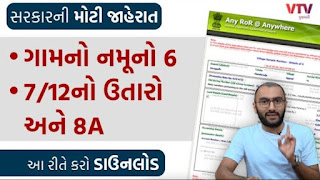
  •  VF7 Village Form 7 is understood as7/ 12 orsatbarautara.You can pierce your land details, power details of specific land, boja and other rights details from VF7 form. 

 

  •  VF 8A village Form 8A provides Khata information. From this type you'll be pierce Khata Number and Owner Information. 
  •  VF6 Village Form 6 is register which maintain by Talati or Village Accountant to integrate day to day changes inthe land record. By using this you'll check any changes in entry information. 
  •  135 D 135 D may be the Notice to Mutation. formerly you apply for Mutation, Talati prepare Notice 135D. This notice is served to Khatedars concerned applicable parties and the other interested parties for any exceptions. 
  •  Enter Verification Code( Captcha) and click “ Get Detail ” button to induce asked report. 
  •  You can check Any RoR of following sectionsonwww.anyror.gujarat.gov.in. 
  •  Ahmedabad, Amreli, Anand, Aravalli, Banaskantha, Bharuch, Bhavnagar, Botad, Chhota Udaipur. 
  •  Dahod, Dang, Devbhoomi Dwarka, Gandhinagar, Gir Somnath, Jamnagar, Junagadh, Kutch, Kheda. 
  • Mahisagar, Mehsana, Morbi, Narmada, Navsari, Panchmahal, Patan, Porbandar, Rajkot. 
  • Sabarkantha, Surat, Surendranagar, Tapi, Vadodara and Valsad quarter. 
 

 How to get pukka motorized dupe of Gujarat Land Records? 

 Still, 8A or 6 entry follow the given way also 

 
    •  
    •  If you want motorized pukka dupe of7/ 12Utara.You should visit neareste- Dhara Kendra. You can finde- Dhara Knedra at original Taluka Mamlatdar office. 
    •  At originale- Dhara Kendra you can request for RoR print. Please note that you shold be have Survey Number, Khata Number, Farm Name or Khatedar Name with you while the requesting RoR print. 
    • Operator will confirm records details first also will publish7/ 12 or 8A from the computer. 
    • e-Dhara Dy Mamlatdar or any nominated labor force signs and prints requested motorized RoR, which is handed over to you. 

  Important link 

 hand of applicant for entering motorized demanded RoR is taken in RoR allocation register. 

Kaise Use Karein:

  1. AnyROR Gujarat website par jayein.
  2. Aapko “View Land Record” section ko select karna hoga.
  3. District, taluka, aur survey number dal kar records ko access karein.

2. West Bengal: Banglarbhumi

West Bengal ke land records ko access karne ke liye Banglarbhumi ek important portal hai. Iske zariye aap apni zameen ke mutation status, ROR (Records of Rights), aur land map ko access kar sakte hain.

  • Website: Banglarbhumi
  • Key Features:
  • Mutation status aur ROR records ko check karne ka feature.
  • Zameen ke naksha ko bhi download kar sakte hain.
  • Kheshra aur Khatian number ke zariye ownership details dekh sakte hain.

Kaise Use Karein:

  1. Banglarbhumi website par login karein.
  2. “Know Your Property” section ko click karein aur apna district aur block select karein.
  3. Apna kheshra ya Khatian number enter karke details ko dekh sakte hain.

A Comprehensive Guide to Checking Land Records in India

In India, land records serve as crucial documents that validate land ownership and rights. With the digitization of land records in many states, checking these records has become easier and more accessible. This blog post will guide you through the process of checking land records in India, the importance of these records, the various types of land records available, and the steps involved in obtaining them.

Importance of Land Records

Land records are essential for several reasons:

  1. Ownership Verification: They provide proof of ownership and help settle disputes regarding land.
  2. Property Transactions: Essential for buying, selling, or leasing land, ensuring that all parties are aware of the ownership status.
  3. Government Schemes: Many welfare schemes require verified land records to provide benefits.
  4. Financial Assistance: Banks and financial institutions often require land records for loan applications.
  5. Land Use Planning: Helps the government in planning and implementing policies related to land use and urban development.

Types of Land Records in India

  1. Khasra (Land Record): A detailed document that contains information about the land's area, boundaries, and ownership.
  2. Khatauni: A record that reflects the ownership of land over a specific period, usually updated annually.
  3. Jamabandi: The record of rights, which includes details about the ownership, area, and classification of the land.
  4. Patta: A legal document that acts as proof of land ownership, issued by the government.
  5. Record of Rights (RoR): A comprehensive document that includes details about the ownership, tenancy, and other rights over the land.

How to Check Land Records in India

With many states in India digitizing their land records, you can now check them online. Here’s a step-by-step guide to checking land records in India:

Step 1: Identify Your State

Land records are maintained at the state level, so the first step is to identify your state. Each state has its own website or portal for accessing land records.

Step 2: Visit the State Land Record Portal

Most states have an official website dedicated to land records. Here are some examples:

Step 3: Choose the Appropriate Option

Once you’re on the state’s land records portal, you will usually find multiple options to check land records. These options may include:

  • Khasra/Khatauni Search: For checking details about specific plots of land.
  • Jamabandi: For viewing the record of rights.
  • Patta Search: For verifying ownership.

Step 4: Enter Required Details

To access the land records, you will need to enter specific details. This may include:

  • District: The district where the land is located.
  • Tehsil: The sub-district.
  • Village: The specific village or locality.
  • Khasra Number: The unique number assigned to the plot of land (if applicable).
  • Account Number: The number associated with the landowner’s account.

Step 5: View and Download the Records

After entering the required details, you can view the land records. Most portals allow you to download a copy of the records in PDF format for your reference. Make sure to save these documents securely.

Step 6: Cross-Verify Information

It’s always a good practice to cross-verify the information obtained online with the local land revenue office. This is especially important for significant transactions like buying or selling land.

Checking Land Records via Mobile Apps

In addition to web portals, many states have developed mobile applications for easier access to land records. These apps typically offer similar functionalities as the websites and can be a convenient option for users on the go.

Examples of Mobile Apps

  1. Land Records App (Maharashtra): Provides access to land records, ownership details, and other services.
  2. Bhoomi App (Karnataka): Offers land-related services, including checking land records and applying for land conversions.
  3. Punjab Land Records App: Facilitates easy access to land records and related information.

Common Issues and Solutions

While accessing land records online is generally straightforward, you may encounter some challenges:

1. Incorrect Information

Sometimes, the details displayed may not match the actual records. In such cases, contact the local land revenue office for rectification.

2. Technical Glitches

Website or portal downtime can occur. If you face technical issues, try accessing the site during off-peak hours or check back later.

3. Lack of Digital Records

In some rural areas, not all land records may be digitized. In such cases, you’ll need to visit the local revenue office for assistance.

Legal Implications of Land Records

Understanding land records is crucial not just for ownership verification but also for legal reasons:

  1. Dispute Resolution: Accurate land records help in settling disputes over land ownership and boundaries.
  2. Court Evidence: In legal cases related to land, these records serve as important evidence.
  3. Regulatory Compliance: Ensuring that your land records are accurate helps in complying with government regulations and policies.

Conclusion

Checking land records in India is an essential process for anyone involved in property transactions, whether for personal or professional reasons. With the digitalization of land records, accessing this information has become easier and more convenient than ever before. By following the steps outlined in this guide, you can ensure that you have accurate and up-to-date information about land ownership and rights.

As land records play a vital role in property transactions and legal matters, it’s important to approach them with diligence and care. Always ensure to verify information from official sources and consult legal experts when necessary. With the right knowledge and tools, navigating the complexities of land records in India can be a straightforward process.

Read More »

Understanding Dengue Symptoms, Prevention, and Home Remedies


Understanding Dengue Symptoms, Prevention, and Home Remedies

Dengue fever, a mosquito-borne viral disease, remains a significant public health concern in India, with cases surging during monsoon seasons. In 2025, with over 2 lakh reported cases annually (per recent health ministry data), understanding dengue’s symptoms, prevention strategies, and home remedies is critical for Indian households. Spread by the Aedes aegypti mosquito, dengue can range from mild to severe, requiring timely action to manage and prevent complications. This blog post provides a comprehensive guide to dengue, tailored for India’s context, including its impact, symptoms, preventive measures, and natural remedies to support recovery.


What is Dengue?

Dengue is a viral infection caused by the dengue virus (DENV), transmitted through bites from infected Aedes mosquitoes, which thrive in tropical climates like India’s. The disease is prevalent in urban and semi-urban areas, with peak cases during July–October due to stagnant water post-monsoon. In 2025, states like Delhi, Karnataka, Tamil Nadu, and Maharashtra report high incidences, with climate change and urbanization exacerbating mosquito breeding.

Dengue has four serotypes (DENV-1 to DENV-4), and infection with one serotype doesn’t provide immunity against others, increasing the risk of severe forms like Dengue Hemorrhagic Fever (DHF) or Dengue Shock Syndrome (DSS) upon reinfection.

Symptoms of Dengue

Dengue symptoms typically appear 4–10 days after a mosquito bite and can last 2–7 days. They vary in severity:

Mild Dengue

  • High fever (up to 104°F or 40°C).
  • Severe headache and pain behind the eyes.
  • Muscle and joint pains (“breakbone fever”).
  • Nausea, vomiting, and fatigue.
  • Skin rash (red spots or patches) appearing 2–5 days after fever onset.


Severe Dengue (Warning Signs)

  • Persistent abdominal pain or tenderness.
  • Vomiting (at least 3 times in 24 hours).
  • Bleeding from gums, nose, or under the skin (petechiae).
  • Blood in urine, stools, or vomit.
  • Rapid breathing or restlessness.
  • Severe fatigue or low platelet count.

Note: Severe dengue requires immediate medical attention, as it can lead to life-threatening complications like organ failure or shock.

Diagnosis and Treatment

  • Diagnosis: Blood tests (NS1 antigen, IgM/IgG antibodies) confirm dengue. Platelet count monitoring is crucial, as it often drops in severe cases.
  • Treatment: No specific antiviral exists for dengue. Treatment focuses on:
    • Hydration: Oral rehydration solutions (ORS) or IV fluids to prevent dehydration.
    • Fever Management: Paracetamol to reduce fever and pain (avoid NSAIDs like ibuprofen, as they increase bleeding risk).
    • Hospitalization: For severe cases with low platelets or bleeding.
  • Monitoring: Regular blood tests to track platelet levels and hematocrit.


In India, government hospitals and private clinics offer affordable testing, with costs ranging from ₹600–₹2,000 for NS1 or antibody tests.

Prevention Strategies

Preventing dengue involves controlling mosquito breeding and protecting against bites, especially in India’s monsoon-heavy regions.

1. Eliminate Mosquito Breeding Sites

  • Remove Stagnant Water: Empty water from containers, flowerpots, coolers, and tires weekly, as Aedes mosquitoes breed in clean, stagnant water.
  • Cover Water Tanks: Ensure storage tanks are sealed to prevent mosquito access.
  • Clean Drains: Regularly clear clogged drains and gutters in urban areas like Mumbai or Chennai.
  • Use Larvicides: Apply government-approved larvicides in unavoidable water collections (e.g., construction sites).

2. Protect Against Mosquito Bites

  • Use Repellents: Apply DEET, picaridin, or neem-based repellents on exposed skin.
  • Wear Protective Clothing: Long-sleeved shirts and pants, especially during dawn and dusk when Aedes mosquitoes are active.
  • Install Nets/Screens: Use mosquito nets while sleeping and window screens in homes.
  • Mosquito Coils/Insecticides: Use electric vaporizers or coils in high-risk areas.

3. Community Efforts

  • Fogging: Support local municipal fogging drives to reduce mosquito populations.
  • Awareness Campaigns: Participate in community clean-up drives, as promoted by India’s Swachh Bharat Mission.
  • Vaccination: The Dengvaxia vaccine is available in 2025 but recommended only for those previously infected (consult a doctor).


4. Government Initiatives

  • The National Vector Borne Disease Control Programme (NVBDCP) in 2025 promotes mosquito control through free larvicide distribution and awareness campaigns in high-risk states.
  • Local bodies conduct regular inspections in urban slums and rural areas to curb breeding.

Home Remedies to Support Dengue Recovery

While medical treatment is essential, traditional Indian home remedies can support recovery by boosting immunity and maintaining hydration. Always consult a doctor before using remedies, especially in severe cases.

1. Papaya Leaf Juice

  • Purpose: May help increase platelet count (though scientific evidence is limited).
  • Method: Crush 2–3 fresh papaya leaves, extract juice, and consume 2 tablespoons twice daily for 3–5 days.
  • Availability: Papaya leaves are widely available in Indian markets or home gardens.
  • Precaution: Avoid overuse; consult a doctor for children or pregnant women.

2. Giloy (Tinospora cordifolia) Juice

  • Purpose: Boosts immunity and fights viral infections.
  • Method: Boil giloy stems in water, strain, and drink 1 cup daily. Alternatively, use giloy powder (1 tsp) mixed with warm water.
  • Availability: Available at Ayurvedic stores or online in India (₹100–₹300).
  • Precaution: Ensure purity of giloy to avoid contamination.

3. Coconut Water

  • Purpose: Rehydrates and restores electrolytes lost during fever.
  • Method: Drink 1–2 glasses of fresh coconut water daily.
  • Availability: Widely available across India, especially in coastal states like Kerala and Tamil Nadu.
  • Precaution: Ensure it’s fresh to avoid digestive issues.

4. Tulsi (Holy Basil) Tea

  • Purpose: Enhances immunity and reduces fever symptoms.
  • Method: Boil 10–15 tulsi leaves with 1 tsp ginger in 1 cup water, strain, add honey, and drink twice daily.
  • Availability: Tulsi is a common household plant in India.
  • Precaution: Safe for most; avoid if allergic to basil.

5. Goat Milk

  • Purpose: Traditionally believed to support platelet recovery (anecdotal evidence).
  • Method: Drink 100–200 ml of pasteurized goat milk daily for 3–5 days.
  • Availability: Available in rural areas or select urban dairies.
  • Precaution: Ensure pasteurization to avoid infections; not suitable for lactose-intolerant individuals.

6. Pomegranate Juice

  • Purpose: Improves energy and supports blood cell production.
  • Method: Drink 1 glass of fresh pomegranate juice daily.
  • Availability: Pomegranates are widely available in Indian markets (₹150–₹250/kg).
  • Precaution: Avoid added sugar to maintain benefits.

Note: These remedies are supportive and not a substitute for medical treatment. Severe dengue requires hospitalization.

Challenges and Considerations

  • Urban Breeding: Stagnant water in cities like Delhi and Bengaluru fuels outbreaks. Community vigilance is key.
  • Misdiagnosis: Dengue symptoms mimic chikungunya or malaria; confirm with NS1 or antibody tests.
  • Access to Healthcare: Rural areas may lack testing facilities; seek government PHCs or mobile clinics.
  • Overuse of Remedies: Excessive papaya leaf juice or unverified herbs can cause side effects; consult a doctor.
  • Scams: Beware of fake “dengue cures” sold online or locally; stick to trusted remedies.

Why Dengue Awareness Matters in 2025

India’s monsoon-driven climate and rapid urbanization make dengue a persistent threat. X posts in 2025 highlight public concern over rising cases, with users sharing tips like papaya leaf juice and mosquito nets. Health campaigns on platforms like X emphasize prevention through clean-up drives and repellent use. With no specific cure, early detection and prevention are critical to reducing the 0.5–1% mortality rate in severe cases.

IMPORTANT LINK:::: 

DOWNLOAD DENGUE PDF FROM HERE

Tips for Staying Safe

  • Monitor Symptoms: Seek medical help if fever persists beyond 2 days or warning signs appear.
  • Stay Hydrated: Drink ORS, coconut water, or boiled water to prevent dehydration.
  • Community Action: Join local clean-up drives to eliminate mosquito breeding sites.
  • Use Technology: Apps like Google Maps can locate nearby hospitals or clinics for testing (e.g., SBI YONO for nearby health services).
  • Educate Others: Share prevention tips with family and neighbors to curb outbreaks.

Conclusion

Dengue remains a significant challenge in India in 2025, but with awareness, prevention, and timely action, its impact can be minimized. Eliminate mosquito breeding sites, use repellents, and recognize symptoms early to seek medical care. Supportive home remedies like papaya leaf juice, giloy, and coconut water can aid recovery when used under medical guidance. Stay informed through trusted sources like the National Health Portal (nhp.gov.in) or local health centers, and participate in community efforts to keep India dengue-free. Protect yourself and your loved ones today!

Read More »

Essential Vitamins and Their Sources in India for 2025: A Guide to Optimal Health


Essential Vitamins and Their Sources in India for 2025: A Guide to Optimal Health

Vitamins are vital micronutrients that support numerous bodily functions, from boosting immunity to promoting healthy skin and vision. In India, where diverse diets and lifestyles shape nutritional intake, understanding vitamin sources is key to addressing deficiencies, especially with rising health awareness in 2025. This blog post explores the 13 essential vitamins, their roles, natural food sources available in India, and tips for incorporating them into your diet, ensuring a balanced and healthy lifestyle.


Why Vitamins Matter

Vitamins are organic compounds required in small amounts for critical processes like metabolism, immunity, and cell repair. Deficiencies can lead to health issues, such as scurvy (Vitamin C) or rickets (Vitamin D). In India, factors like vegetarian diets, limited sun exposure, and processed food consumption contribute to common deficiencies (e.g., Vitamin D, B12). With 70% of Indians facing some form of micronutrient deficiency (per 2024 health surveys), choosing vitamin-rich foods is crucial.


The 13 Essential Vitamins and Their Sources

Below is a comprehensive guide to the 13 essential vitamins, their functions, and accessible sources in Indian diets.

1. Vitamin A (Retinol, Beta-Carotene)

  • Function: Supports vision, skin health, and immunity.
  • Sources:
    • Animal-Based: Fish (rohu, hilsa), eggs, milk, paneer, ghee.
    • Plant-Based: Carrots, sweet potatoes (shakarkandi), spinach, mangoes, papaya, pumpkin.
  • Indian Context: Incorporate palak sabzi, carrot halwa, or mango lassi for beta-carotene. Ghee is a staple in many Indian households.
  • Daily Requirement: 700–900 mcg (men), 600–700 mcg (women).


2. Vitamin B1 (Thiamine)

  • Function: Aids energy metabolism and nerve function.
  • Sources: Whole grains (brown rice, oats), lentils (masoor dal), peanuts, sunflower seeds, pork.
  • Indian Context: Include whole wheat rotis, dal-rice, or roasted peanuts as snacks.
  • Daily Requirement: 1.1–1.2 mg.

3. Vitamin B2 (Riboflavin)

  • Function: Supports energy production, skin, and red blood cell health.
  • Sources: Milk, yogurt (curd), eggs, almonds, green leafy vegetables (methi, spinach), mushrooms.
  • Indian Context: Curd-based dishes like raita or lassi, and methi paratha, are excellent sources.
  • Daily Requirement: 1.1–1.3 mg.

4. Vitamin B3 (Niacin)

  • Function: Promotes energy metabolism, skin health, and digestion.
  • Sources: Chicken, fish (pomfret, mackerel), peanuts, whole grains, mushrooms, green peas.
  • Indian Context: Try chicken curry, peanut chutney, or khichdi with green peas.
  • Daily Requirement: 14–16 mg.

5. Vitamin B5 (Pantothenic Acid)

  • Function: Supports hormone production and energy metabolism.
  • Sources: Eggs, chicken, sweet potatoes, avocados, mushrooms, broccoli.
  • Indian Context: Add broccoli stir-fry or egg bhurji to your meals.
  • Daily Requirement: 5 mg.

6. Vitamin B6 (Pyridoxine)

  • Function: Aids brain function, red blood cell formation, and mood regulation.
  • Sources: Chickpeas (chole), bananas, potatoes, salmon, chicken, sunflower seeds.
  • Indian Context: Chole masala, banana smoothies, or aloo sabzi are widely available.
  • Daily Requirement: 1.3–2 mg.

7. Vitamin B7 (Biotin)

  • Function: Supports hair, skin, and nail health; aids metabolism.
  • Sources: Eggs, almonds, walnuts, sweet potatoes, spinach, bananas.
  • Indian Context: Include egg curry or almond-based desserts like badam halwa.
  • Daily Requirement: 30 mcg.

8. Vitamin B9 (Folate/Folic Acid)

  • Function: Essential for DNA synthesis and pregnancy health.
  • Sources: Lentils (dal), spinach, broccoli, oranges, chickpeas, fortified cereals.
  • Indian Context: Dal tadka, palak paneer, or orange slices are common choices.
  • Daily Requirement: 400 mcg (600 mcg for pregnant women).

9. Vitamin B12 (Cobalamin)

  • Function: Supports nerve function, red blood cell production, and energy.
  • Sources:
    • Animal-Based: Fish (sardines, mackerel), eggs, milk, paneer, chicken, liver.
    • Fortified Foods: Nutritional yeast, fortified cereals (for vegetarians).
  • Indian Context: Dahi, paneer tikka, or fish curry are rich sources. Vegetarians may need supplements due to limited natural sources.
  • Daily Requirement: 2.4 mcg.

10. Vitamin C (Ascorbic Acid)

  • Function: Boosts immunity, supports skin health, and aids iron absorption.
  • Sources: Amla (Indian gooseberry), oranges, guava, bell peppers, tomatoes, lemons.
  • Indian Context: Amla juice, lemon water, or guava chaat are staples in Indian diets.
  • Daily Requirement: 75–90 mg.

11. Vitamin D

  • Function: Promotes bone health, calcium absorption, and immunity.
  • Sources:
    • Sunlight: 15–30 minutes of morning sun exposure (common in India’s climate).
    • Food: Egg yolks, fatty fish (salmon, mackerel), fortified milk, mushrooms.
  • Indian Context: Sun exposure is key; include egg curry or fortified dairy. Supplements may be needed due to widespread deficiency (80% of Indians, per 2024 studies).
  • Daily Requirement: 600–800 IU (15–20 mcg).

12. Vitamin E

  • Function: Protects cells as an antioxidant, supports skin and heart health.
  • Sources: Almonds, sunflower seeds, spinach, avocados, mustard greens (sarson ka saag), peanuts.
  • Indian Context: Sarson ka saag, peanut chutney, or almond snacks are easily accessible.
  • Daily Requirement: 15 mg.

13. Vitamin K

  • Function: Aids blood clotting and bone health.
  • Sources: Spinach, kale, mustard greens, broccoli, cabbage, liver.
  • Indian Context: Palak sabzi, broccoli stir-fry, or cabbage thoran are popular dishes.
  • Daily Requirement: 90–120 mcg.

Incorporating Vitamins into Indian Diets

India’s diverse cuisine makes it easy to include vitamin-rich foods:

  • Breakfast: Whole wheat paratha with curd (B2, B12) or amla juice (C).
  • Lunch: Dal-rice (B1, B9), palak paneer (A, K), and fish curry (B12, D).
  • Snacks: Roasted peanuts (B3, E), guava chaat (C), or mango lassi (A).
  • Dinner: Chicken curry (B3, B6), mixed vegetable sabzi (A, C, K), and brown rice (B1).
  • Vegetarian Tips: Focus on fortified cereals, nutritional yeast (B12), and sun exposure (D) to address common deficiencies.

Tips for Optimal Vitamin Intake

  • Diversify Your Diet: Include a variety of fruits, vegetables, grains, and proteins to cover all vitamins.
  • Cook Smart: Avoid overcooking vegetables to preserve water-soluble vitamins (B, C). Steam or sauté instead of boiling.
  • Seasonal Choices: Opt for seasonal produce like mangoes (summer) or amla (winter) for freshness and affordability.
  • Supplements with Caution: Consult a doctor for Vitamin D or B12 supplements, especially for vegetarians or those with limited sun exposure.
  • Local Markets: Shop at local mandis for fresh produce like spinach, guava, and sweet potatoes, widely available across India.
  • Check Labels: Choose fortified foods (e.g., milk, cereals) to boost B12 and D intake.

Addressing Common Deficiencies in India

  • Vitamin D: Widespread due to limited sun exposure in urban areas. Combine morning sunlight with fortified dairy or supplements.
  • Vitamin B12: Common among vegetarians. Use fortified cereals or consult a doctor for injections/supplements.
  • Vitamin A: Address through orange/yellow produce (carrots, mangoes) and leafy greens, affordable in Indian markets.
  • Folate: Easily met through lentils and greens, staples in Indian cuisine.

Challenges and Considerations

  • Vegetarian Diets: Limited B12 and D sources; rely on fortified foods or supplements.
  • Urban Lifestyles: Reduced sun exposure and processed food reliance increase deficiency risks.
  • Affordability: While most sources (dal, spinach) are budget-friendly, fortified foods or supplements may be costly for some.
  • Over-Supplementation: Excessive intake (e.g., Vitamin A, D) can be toxic; always consult a healthcare provider.

Why Vitamins Are Critical in 2025

With India’s health focus intensifying post-2024, X posts highlight growing awareness of vitamin deficiencies, especially D and B12, among urban and rural populations. The rise in plant-based diets and indoor lifestyles has spurred demand for accessible vitamin sources. Affordable, local foods like amla, dal, and spinach, combined with fortified options, make it easier to meet nutritional needs in India’s diverse food landscape.

Conclusion

Vitamins are the cornerstone of a healthy life, and India’s rich culinary traditions offer abundant sources, from amla and mangoes to dal and fish curry. By incorporating diverse, seasonal foods like spinach, lentils, and fortified dairy, you can address deficiencies and boost overall health in 2025. For vegetarians or those with limited sun exposure, consider fortified foods or supplements under medical guidance. Explore local markets, experiment with dishes like palak paneer or guava chaat, and prioritize a balanced diet to harness the power of vitamins for a vibrant, healthy future.

Read More »

Saturday, July 5, 2025

Top Live Location Tracking Apps in India for 2025


Top Live Location Tracking Apps in India for 2025: Stay Connected and Safe

In 2025, live location tracking apps have become essential tools for ensuring safety, coordinating meetups, and staying connected with family, friends, or employees. With India’s growing smartphone penetration (over 1 billion users) and increasing focus on digital safety, these apps offer real-time GPS tracking, geofencing, and user-friendly features. Whether you’re a parent monitoring your child, a professional coordinating with colleagues, or someone ensuring the safety of loved ones, location tracking apps provide peace of mind. This blog post highlights the top live location tracking apps available in India in 2025, their features, and how they cater to diverse needs, including integration with services like banking apps for secure transactions.


Why Use Live Location Tracking Apps in India?

Live location tracking apps are vital for:

  • Safety: Monitor children, elderly family members, or employees in real-time to ensure their security.
  • Convenience: Coordinate meetups, track deliveries, or locate lost devices effortlessly.
  • Business Use: Optimize fleet management, employee tracking, or customer service for businesses like banking.
  • Privacy: Secure, user-controlled location sharing with encrypted data.
  • Emergency Response: Features like SOS alerts and crash detection enhance safety during travel or emergencies.

With India’s diverse geography and bustling urban centers, these apps leverage GPS, Wi-Fi, and cellular networks to deliver accurate tracking, making them indispensable in 2025.

Top Live Location Tracking Apps in India for 2025

Here’s a curated list of the best live location tracking apps available in India, based on accuracy, features, and user reviews.

IMPORTANT LINK

મદુરાઇ મિનાક્ષી મંદિર SOUTH TOWER GIGAPIXEL ફોટો જોવા અહિં ક્લીક કરો

મદુરાઇ મિનાક્ષી મંદિર NORTH TOWER GIGAPIXEL ફોટો જોવા અહિં ક્લીક કરો

1. Google Maps

  • Key Features:
    • Real-time location sharing with customizable duration (e.g., 1 hour or until disabled).
    • Live traffic updates and route optimization for urban areas like Mumbai and Delhi.
    • Explore tab for nearby ATMs, restaurants, or bank branches (e.g., SBI branches).
    • Live View for augmented reality navigation in crowded Indian cities.
  • Best For: General navigation, family tracking, and banking-related location services (e.g., finding SBI ATMs).
  • User Experience: Intuitive interface with seamless integration across Android and iOS devices. Supports Hindi, Tamil, and other regional languages.
  • Pricing: Free.
  • Why Choose?: Google Maps’ accuracy and widespread use (over 1 billion downloads) make it ideal for everyday navigation and sharing locations with family or bank staff.

2. Life360

  • Key Features:
    • Family Circle feature for real-time tracking of family members.
    • Crash detection and SOS alerts for emergencies, critical in India’s busy roads.
    • Geofencing for safe zones (e.g., school, home) with entry/exit notifications.
    • Driving reports for monitoring speed and phone usage, useful for parents.
  • Best For: Families, especially parents tracking children or elderly relatives.
  • User Experience: User-friendly with a focus on safety; supports cross-platform tracking.
  • Pricing: Free with premium plans ($7.99–$24.99/month for advanced features).
  • Why Choose?: Comprehensive safety features make it perfect for families in urban and rural India.

3. Find My (Apple)

  • Key Features:
    • Tracks iOS devices (iPhone, iPad, Mac) via iCloud with real-time updates.
    • Family Sharing for tracking up to six family members.
    • Lost Mode to lock devices remotely and display contact info.
    • Offline tracking using nearby Apple devices’ Bluetooth.
  • Best For: iPhone users in India seeking secure, free tracking.
  • User Experience: Seamless integration with iOS; no additional app needed.
  • Pricing: Free with Apple devices.
  • Why Choose?: Ideal for Apple users in cities like Bengaluru, with robust privacy and no extra cost.

4. iSharing

  • Key Features:
    • Real-time GPS tracking with geofencing alerts for safe zones (e.g., schools, offices).
    • In-app messaging and walkie-talkie feature for quick communication.
    • Panic Alert: Shake the phone to send an emergency message with location.
    • Battery-efficient design for continuous tracking.
  • Best For: Families and small groups needing secure, cross-platform tracking.
  • User Experience: Simple setup with multilingual support, including Hindi.
  • Pricing: Free with premium features ($3.99/month or one-time fee options).
  • Why Choose?: Combines tracking with communication, ideal for Indian families prioritizing safety.

5. Glympse

  • Key Features:
    • Temporary location sharing via links, no app download required for recipients.
    • Real-time tracking with timer-controlled sharing for privacy.
    • Integration with banking apps for delivery tracking (e.g., SBI YONO for secure transactions).
    • Cross-platform support for Android and iOS.
  • Best For: Temporary tracking for meetups or professional use, like banking logistics.
  • User Experience: Lightweight and privacy-focused, with easy sharing options.
  • Pricing: Free.
  • Why Choose?: Perfect for short-term tracking without compromising privacy, suitable for India’s gig economy workers.

6. FamiSafe

  • Key Features:
    • Real-time location tracking and detailed location history.
    • Geofencing for alerts when kids enter/leave areas like schools or coaching centers.
    • Monitors social media, calls, and app usage for child safety.
    • SOS button for emergencies, critical in India’s diverse environments.
  • Best For: Parents monitoring children’s safety and digital activity.
  • User Experience: Easy-to-use dashboard with parental control features.
  • Pricing: Free trial; premium plans ($9.99–$59.99/year).
  • Why Choose?: Comprehensive child safety features, ideal for Indian parents in urban areas.

7. mSpy

  • Key Features:
    • Hidden real-time tracking with location history and geofencing.
    • Monitors calls, texts, and social media (WhatsApp, Instagram) for safety.
    • Remote device management for added security.
    • Compatible-kids with Android and iOS.
  • Best For: Parents or guardians needing discreet monitoring.
  • User Experience: Requires installation on target devices; intuitive dashboard.
  • Pricing: Premium plans ($16–$69.99/month).
  • Why Choose?: Offers advanced monitoring for tech-savvy Indian parents, though it requires a subscription.

8. GPSWOX

  • Key Features:
    • Real-time tracking for family, employees, or lost phones.
    • Geofencing and location history for monitoring movement.
    • Web-based dashboard for tracking via PC or mobile.
    • Task assignment for professional use, like banking logistics.
  • Best For: Businesses and individuals needing free tracking solutions.
  • User Experience: Simple setup with accurate GPS tracking; supports Hindi interfaces.
  • Pricing: Free with paid plans for advanced features ($5–$10/month).
  • Why Choose?: Free and versatile, suitable for small businesses or families in India.

How to Choose the Right App

  • Accuracy: Opt for apps like Google Maps or Life360 with precise GPS tracking (within meters).
  • Privacy: Ensure apps like Find My or Glympse offer user-controlled sharing and encryption.
  • Battery Efficiency: Apps like iSharing and GPSWOX optimize battery usage for continuous tracking.
  • Features: Look for geofencing, SOS alerts, or integration with banking apps (e.g., SBI YONO for location-based services).
  • Cost: Free apps like Google Maps and GPSWOX suit budget-conscious users, while premium apps like Life360 offer advanced safety features.
  • Compatibility: Ensure cross-platform support for India’s diverse Android and iOS user base.

Using Location Apps with Banking Services

In India, live location tracking apps integrate seamlessly with banking apps like SBI YONO or HDFC Bank’s PayZapp for:

  • Locating ATMs/Branches: Google Maps helps users find nearby SBI branches or ATMs with real-time directions.
  • Secure Transactions: Apps like Glympse enable delivery tracking for banking-related services (e.g., cash-on-delivery via SBI partnerships).
  • Fraud Prevention: Real-time location verification enhances security for mobile banking transactions.

For example, SBI’s YONO app integrates location services to suggest nearby branches or ATMs, making apps like Google Maps or GPSWOX valuable companions for banking customers.

Tips for Effective Use

  • Enable Permissions: Ensure GPS and Wi-Fi are active for accurate tracking. For iSharing, disable battery optimization for uninterrupted use.
  • Set Geofences: Create safe zones around schools, offices, or homes for instant alerts (e.g., Life360, FamiSafe).
  • Check Privacy Settings: Use apps like Glympse for temporary sharing to protect privacy.
  • Stay Updated: Monitor app updates for 2025 features, like Life360’s enhanced crash detection.
  • Avoid Scams: Download apps only from Google Play, App Store, or official websites to avoid fake trackers.

Challenges to Consider

  • Battery Drain: Continuous GPS tracking (e.g., mSpy) may reduce battery life; use apps with sleep modes.
  • Privacy Concerns: Apps like mSpy require consent to avoid legal issues, especially for minors.
  • Network Issues: Weak signals in rural India may affect accuracy; apps like Find My use offline tracking to mitigate this.
  • Cost: Premium apps like Life360 or FamiSafe require subscriptions for full features, which may not suit all budgets.

Why These Apps Matter in India

India’s job market, including banking roles at SBI, increasingly relies on location-based services for logistics and customer support. X posts highlight growing demand for safety-focused apps among Indian parents and professionals, with over 70% of urban users preferring apps like Life360 for family tracking. The GPS market in India is projected to grow to $3.38 billion by 2025, driven by apps enhancing safety and efficiency.

Conclusion

In 2025, live location tracking apps like Google Maps, Life360, Find My, iSharing, Glympse, FamiSafe, mSpy, and GPSWOX offer Indian users powerful tools for safety, coordination, and business efficiency. Whether you’re tracking family members in bustling cities like Delhi or coordinating banking services via SBI’s YONO, these apps provide accuracy, privacy, and ease of use. Download from trusted sources like Google Play or the App Store, customize settings for your needs, and stay connected securely. Choose the app that aligns with your priorities—free options like Google Maps for navigation or premium ones like Life360 for family safety—and enhance your digital experience today!

Read More »

Wednesday, July 2, 2025

પ્રધાનમંત્રી કિસાન સમ્માન નિધિ યોજના (PM Kisan Samman Nidhi Yojana) - સંપૂર્ણ માહિતી

 પ્રધાનમંત્રી કિસાન સમ્માન નિધિ યોજના (PM Kisan Samman Nidhi Yojana) - સંપૂર્ણ માહિતી

## યોજનાનો પરિચય

પ્રધાનમંત્રી કિસાન સમ્માન નિધિ યોજના (PM-KISAN) એ ભારત સરકાર દ્વારા નાના અને સીમાંત ખેડૂતોને આર્થિક સહાય પૂરી પાડવા માટે શરૂ કરવામાં આવેલી 100% કેન્દ્ર સરકાર દ્વારા સહાયિત યોજના છે. આ યોજનાની ઘોષણા 2019ના ફેબ્રુઆરી મહિનામાં કરવામાં આવી હતી .

## યોજનાનો મુખ્ય ઉદ્દેશ

- નાના અને સીમાંત ખેડૂતોને વાર્ષિક આવક સહાય પૂરી પાડવી
- ખેડૂતોના નાણાકીય બોજમાં ઘટાડો કરવો
- ખેડૂતોને તેમની કૃષિ જરૂરિયાતો માટે નિયમિત નાણાકીય સહાય પૂરી પાડવી 

## યોજનાની મુખ્ય વિશેષતાઓ

1. **નાણાકીય સહાય**: યોગ્ય ખેડૂતોને વાર્ષિક ₹6,000ની સહાય, જે ત્રણ સમાન હપ્તામાં (દરેક ₹2,000) દર 4 મહિને આપવામાં આવે છે .

2. **ડાયરેક્ટ બેનિફિટ ટ્રાન્સફર (DBT)**: ફંડ સીધા ખેડૂતોના બેંક ખાતામાં ટ્રાન્સફર કરવામાં આવે છે .

3. **જમીન મર્યાદા**: માત્ર 2 હેક્ટર (લગભગ 5 એકર) સુધીની જમીન ધરાવતા ખેડૂતો જ યોજનાના લાભ મેળવી શકે છે .

4. **કુટુંબ વ્યાખ્યા**: એક ખેડૂત કુટુંબમાં પતિ, પત્ની અને નાની વયના બાળકોનો સમાવેશ થાય છે .

## લાભાર્થી યોગ્યતા

**યોગ્ય ખેડૂતો**:
- નાના અને સીમાંત ખેડૂતો
- 2 હેક્ટર સુધીની જમીન ધરાવતા ખેડૂતો
- ભારતના કોઈપણ રાજ્ય/કેન્દ્રશાસિત પ્રદેશના નાગરિકો 

**અયોગ્ય ખેડૂતો**:
- સંસ્થાગત ખેડૂતો
- કોઈપણ સરકારી કર્મચારીઓ
- કરદાતાઓ
- પેન્શનધારકો 

## અરજી પ્રક્રિયા

1. **જરૂરી દસ્તાવેજો**:
   - આધાર કાર્ડ
   - જમીનના દસ્તાવેજો (8-અ અને 7/12 ની નકલ)
   - બેંક પાસબુકની નકલ
   - સ્વ-ઘોષણા પત્ર 

2. **અરજી માટેની રીત**:
   - ગ્રામ પંચાયતના કોમ્પ્યુટર ઓપરેટર (VCE), તલાટી કમ મંત્રી અથવા ગ્રામ સેવકનો સંપર્ક કરો
   - જરૂરી દસ્તાવેજો સાથે ગ્રામ પંચાયત કચેરીમાં અરજી કરો 
   - ઓનલાઈન અરજી માટે pmkisan.gov.in પર જાઓ 

## યોજનાની સ્થિતિ ચકાસવી

1. **લાભાર્થી યાદી ચકાસવી**:
   - pmkisan.gov.in પર જાઓ
   - "લાભાર્થી સ્થિતિ" વિકલ્પ પર ક્લિક કરો
   - આધાર નંબર અથવા બેંક એકાઉન્ટ નંબર દાખલ કરો
   - "ગેટ ડેટા" પર ક્લિક કરો 

2. **અન્ય રીતો**:
   - Digital Gujarat પોર્ટલ પર તલાટી કમ મંત્રી/ગ્રામસેવકના લોગિનથી ચકાસો 
   - તમારા વિસ્તારના ખેતીવાડી અધિકારીનો સંપર્ક કરો 

## હાલની સ્થિતિ (2025 જુલાઈ)

- 19મો હપ્તો 24 ફેબ્રુઆરી 2025ના રોજ બહાર પાડવામાં આવ્યો હતો 
- 20મો હપ્તો જૂન 2025ના અંત સુધીમાં બહાર પાડવાની અપેક્ષા છે 
- કેટલાક રાજ્યો (જેમ કે રાજસ્થાન)માં સરકાર વધારાની સહાય આપે છે (કુલ ₹9,000 વાર્ષિક) 

## મહત્વપૂર્ણ સૂચનાઓ

1. **e-KYC જરૂરી**: લાભ મેળવવા માટે e-KYC પૂર્ણ કરવું આવશ્યક છે 
2. **બેંક ખાતું આધાર સાથે લિંક કરો**: ફંડ મેળવવા માટે બેંક ખાતું આધાર સાથે લિંક થયેલું હોવું જોઈએ 
3. **મોબાઇલ નંબર અપડેટ**: જો મોબાઇલ નંબર બદલાયો હોય તો pmkisan.gov.in પર અપડેટ કરો 
4. **ચકાસણી પ્રક્રિયા**: જમીનના રેકોર્ડની ચકાસણી પૂર્ણ કરવી જરૂરી છે 

## સહાય માટે સંપર્ક

- હેલ્પલાઇન નંબર: 155261 અથવા 1800115526 અથવા 011-23381092 
- ઇમેઇલ: pmkisan-ict@gov.in 
- સત્તાવાર વેબસાઇટ: [pmkisan.gov.in](https://pmkisan.gov.in)


આ યોજના દ્વારા ભારતના કરોડો નાના અને સીમાંત ખેડૂતોને નિયમિત આર્થિક સહાય મળી રહી છે, જે તેમની કૃષિ પ્રવૃત્તિઓ અને જીવનધારણમાં મહત્વપૂર્ણ ફેરફાર લાવી રહી છે.
Read More »

Tuesday, July 1, 2025

Banking Careers in India 2025: Opportunities and Pathways to a Rewarding Future


Banking Careers in India 2025: Opportunities and Pathways to a Rewarding Future

Banking jobs in India remain one of the most sought-after career paths in 2025, offering job security, competitive salaries, and opportunities for growth. With over 10,000 vacancies announced across public and private sector banks, roles ranging from clerks to specialist officers attract freshers, graduates, and experienced professionals alike. This blog post explores the landscape of bank jobs in India, key roles, eligibility, selection processes, and tips for securing a position in this dynamic sector.

Why Choose a Banking Career in India?

Banking jobs are highly coveted due to:

  • Job Security: Public sector banks (PSBs) offer lifelong stability, while private banks provide competitive environments with growth potential.

  • Attractive Salaries: Entry-level roles like clerks start at ₹25,000–₹46,000/month, while probationary officers (POs) earn ₹48,000–₹85,000/month, with allowances like DA, HRA, and medical benefits.

  • Career Growth: Promotions, training, and diverse roles ensure long-term professional development.

  • Social Impact: Banks drive financial inclusion and economic growth, offering a chance to contribute to society.

  • Diverse Opportunities: Roles span clerical, officer, specialist, and managerial positions, catering to various qualifications.

With 12 public sector banks, 22 private banks, and institutions like SBI, RBI, and NABARD, the sector is a powerhouse of opportunity, despite challenges like high competition and demanding work environments.

Key Banking Job Roles in 2025

1. Clerical Cadre

  • Roles: Clerk, Banking Assistant, Cashier, Customer Service Representative, Junior Associate.

  • Responsibilities: Handle customer transactions, data entry, account maintenance, and front-desk services.

  • Eligibility: 10th/12th pass or graduate. Age: 20–28 years (relaxations for SC/ST/OBC).

  • Salary: ₹25,000–₹46,000/month (e.g., SBI Clerk: ₹46,000).

  • Recruitment: Via IBPS Clerk, SBI Clerk, or bank-specific exams.

  • Example: SBI’s 14,000+ Junior Associate vacancies in 2025.

2. Probationary Officer (PO)

  • Roles: Probationary Officer, Assistant Manager.

  • Responsibilities: Manage loans, customer relations, branch operations, and business development.

  • Eligibility: Bachelor’s degree in any discipline. Age: 21–30 years (relaxations apply).

  • Salary: ₹48,000–₹85,000/month (e.g., SBI PO: ₹48,480; Indian Bank LBO: ₹48,000–₹85,000).

  • Recruitment: IBPS PO, SBI PO, or bank-specific exams like Indian Bank’s Local Bank Officer (LBO).

  • Example: SBI PO 2025 with 600 vacancies, IBPS PO with ongoing recruitment.

3. Specialist Officer (SO)

  • Roles: IT Officer, HR Officer, Marketing Officer, Data Scientist, Law Officer, Agricultural Field Officer.

  • Responsibilities: Handle specialized functions like cybersecurity, analytics, or legal compliance.

  • Eligibility: Relevant degrees (e.g., B.Tech for IT, MBA for Marketing). Age: 20–30 years.

  • Salary: ₹50,000–₹85,000/month, depending on the role.

  • Recruitment: IBPS SO, SBI SO, or bank-specific drives (e.g., PNB’s IT Manager, Data Scientist roles).

4. Managerial and Senior Roles

  • Roles: Chief Manager, Assistant General Manager, Chief Compliance Officer, Chief Financial Officer.

  • Responsibilities: Oversee operations, compliance, risk management, or strategy.

  • Eligibility: Postgraduate degrees (MBA, CA, M.Tech) or relevant experience. Age: 30–50 years.

  • Salary: ₹80,000–₹2,00,000/month, plus perks.

  • Recruitment: Direct interviews or contractual engagements (e.g., Union Bank’s Chief Compliance Officer).

5. Support and Contractual Roles

  • Roles: Financial Literacy Counsellor, Support Staff, Concurrent Auditor.

  • Responsibilities: Support training institutes, audits, or customer education.

  • Eligibility: Varies (10th pass to graduates). Age: Flexible.

  • Salary: ₹15,000–₹50,000/month, often contractual.

  • Example: Indian Bank’s support staff roles at self-employment training institutes.

Major Recruiters and Exams in 2025

  • Public Sector Banks: Bank of Baroda, Punjab National Bank (PNB), Indian Bank, Union Bank, SBI, Canara Bank, Bank of India, etc.

  • Private Banks: HDFC Bank, Axis Bank, ICICI Bank, IDFC FIRST Bank, Federal Bank.

  • Exams:

    • IBPS: Conducts IBPS PO, Clerk, SO, and RRB exams for 12 PSBs.

    • SBI: Separate exams for SBI PO, Clerk, SO, and Circle Based Officers (CBOs, registration till June 30, 2025).

    • RBI: RBI Assistant, Grade B Officer exams.

    • NABARD: Grade A and B Manager roles.

    • Others: Bank-specific exams like Indian Bank LBO (300 vacancies) or UCO Bank LBO.

Eligibility and Selection Process

Eligibility

  • Clerical Roles: 10th/12th pass or graduate. Age: 20–28 years.

  • Officer Roles: Bachelor’s degree (any discipline for PO; specialized degrees for SO). Age: 21–30 years.

  • Senior Roles: Postgraduate degrees or experience. Age: Up to 50 years for contractual roles.

  • Relaxations: SC/ST (5 years), OBC (3 years), PwD (10 years).

Selection Process

  1. Preliminary Exam: Computer-Based Test (CBT) covering Quantitative Aptitude, Reasoning, and English.

  2. Main Exam: Advanced CBT with additional sections like General Awareness and Banking.

  3. [Omitted as per instructions]

  4. Interview/Group Discussion: For officer-level roles (e.g., PO, SO).

  5. Document Verification and Medical Test: Ensures eligibility and fitness.

Example: SBI PO 2025 involves Prelims, Mains, Group Discussion, and Interview, with a focus on current affairs and banking knowledge.

How to Apply for Bank Jobs

  1. Check Notifications: Visit official websites (e.g., sbi.co.in, ibps.in, pnbindia.in) or job portals like IndGovtJobs.in for updates.

  2. Verify Eligibility: Match your qualifications and age with the role’s requirements.

  3. Apply Online: Use bank portals or IBPS/SBI websites. For example, PNB’s 350 vacancies (Officer-Credit, IT Managers) had applications open till March 24, 2025.

  4. Prepare Documents: Scanned copies of degree certificates, ID proofs (Aadhaar, PAN), and photographs.

  5. Pay Fees: Online payment (₹600–₹850 for General; often waived for SC/ST/PwD).

  6. Track Deadlines: E.g., SBI Clerk applications close January 7, 2025.

Preparation Tips for Bank Exams

  • Understand Syllabus: Focus on Quantitative Aptitude, Reasoning, English, General Awareness (banking, economy, current affairs), and Computer Knowledge.

  • Practice Mock Tests: Use platforms like Adda247, Career Power, or BankersAdda for test series.

  • Stay Updated: Read newspapers and follow banking news on platforms like X for current affairs.

  • Time Management: Practice solving questions within time limits to improve speed and accuracy.

  • Resources: Refer to books like R.S. Aggarwal (Quantitative Aptitude), Arihant’s Banking Awareness, and online courses from Testbook or Oliveboard.

Benefits of Banking Jobs

  • Financial Rewards: Competitive salaries with allowances (DA, HRA, medical, travel).

  • Work-Life Balance: Stable hours, especially in PSBs, with residential facilities in some cases.

  • Training and Development: Banks like Bank of Baroda and Federal Bank offer talent management and training programs (e.g., Federal Knowledge and Development Centre).

  • Social Responsibility: Roles at banks like IDFC FIRST Bank focus on financial inclusion and digital innovation.

  • Diverse Career Paths: Opportunities to transition into specialized roles like data science or cybersecurity.

Challenges to Consider

  • High Competition: Lakhs of candidates apply for limited vacancies (e.g., 14,000+ SBI Clerk applicants).

  • Work Pressure: Unrealistic targets and toxic work environments can impact mental health, especially in sales-driven roles.

  • Rigorous Exams: Multiple stages (Prelims, Mains, Interview) require consistent preparation.

  • Scams: Beware of fake job offers; apply only through official websites like ibps.in or bank-specific portals.

Top Banks Hiring in 2025

  • Public Sector: SBI (14,000+ Junior Associates, 600 POs), PNB (350 Officer-Credit, IT roles), Indian Bank (300 LBOs), Union Bank, Bank of Baroda.

  • Private Sector: HDFC Bank (Future Bankers Program), Axis Bank, ICICI Bank, IDFC FIRST Bank, Federal Bank.

  • Others: NABARD, RBI, cooperative banks like APCOB (245 vacancies).

IBPS PO 2025 Important Links

🔗 Description📎 Link
📄 IBPS PO 2025 NotificationDownload Notification
📝 Apply OnlineClick Here
🌐 Official IBPS Websitewww.ibps.in

Conclusion

Banking careers in India in 2025 offer a blend of stability, growth, and societal impact, with over 10,000 vacancies across roles like clerks, POs, and specialist officers. Whether you’re a 12th-pass candidate eyeing clerical roles or a graduate aiming for a PO position, banks like SBI, PNB, and HDFC provide diverse opportunities. Stay updated via official websites (e.g., ibps.in, sbi.co.in) and job portals like IndGovtJobs.in, prepare diligently, and apply strategically to secure your place in this rewarding sector. Start your banking journey today

Read More »

Exploring Career Opportunities in Indian Railways 2025: A Path to Stability and Growth

Indian Railways, one of the world’s largest railway networks and the eighth-largest employer globally, offers a diverse range of job opportunities for millions of aspirants across India. With over 1.2 million employees and a robust recruitment drive for 2025, including over 41,390 vacancies for Group C posts like Assistant Loco Pilots, Junior Engineers, Technicians, and more, Indian Railways remains a cornerstone of secure and rewarding careers. This blog post explores the types of jobs, eligibility criteria, selection processes, benefits, and tips for securing a railway job in 2025.

Why Choose a Career in Indian Railways?

Indian Railways, nationalized in 1951, is the backbone of India’s economy and transportation, connecting states and fostering national growth. Here’s why a railway job is highly sought-after:

  • Job Security: Railways offer lifelong stability with no “hire and fire” policy, ensuring financial security for employees and their families.


  • Attractive Salaries and Benefits: Employees receive competitive pay, Dearness Allowance (DA), House Rent Allowance (HRA), Travel Allowance (TA), pensions, gratuity, and free rail travel passes for themselves and their families.

  • Career Growth: Opportunities for promotions, specialized training, and skill development enhance career progression.

  • Diverse Roles: From technical to non-technical, administrative to operational, there’s a role for every qualification level, from 10th pass to graduates and engineers.

  • Additional Perks: Subsidized meals at railway canteens, access to railway schools and colleges, free medical facilities, and residential quarters in railway colonies.

With the 2024 Budget allocating ₹2.4 lakh crore for railway infrastructure, the sector is expanding, creating new opportunities, including roles with private players.

Types of Jobs in Indian Railways

Indian Railways categorizes jobs into four groups: Group A, Group B, Group C, and Group D, each offering technical and non-technical roles across 21 railway zones and 71 divisions.

Group A (Gazetted)

  • Recruitment: Through Union Public Service Commission (UPSC) exams like Civil Services Examination, Engineering Services Examination, and Combined Medical Service Examination.

  • Roles: Indian Railway Accounts Service, Indian Railway Traffic Service, Indian Railway Service of Engineers, General Manager, and Railway Protection Force (RPF) officers.

  • Eligibility: Bachelor’s degree in any discipline (for non-technical) or engineering/medical degree (for technical). Age: 21–32 years (with relaxations for SC/ST/OBC).

  • Salary: ₹80,000–₹90,000/month, plus benefits.

  • Example: General Managers oversee railway zones, ensuring smooth operations, safety, and infrastructure upgrades.

Important tips

This requirement drive offers a rare chance to join one of India’s largest employers, with competitive salaries, allowance and job security. The CEN 02/2025 Notification Will Be Available On All Religion RRB Websites Before 28 June 2025. Tune for the details notification for zone wise vacancies breakdown in exam dates.

Read NotificationClick Here
Apply OnlineClick Here

Group B (Gazetted)

  • Recruitment: Promotions from Group C, not direct recruitment. Employees are appointed on a deputation basis.

  • Roles: Section Officers, senior supervisors.

  • Salary: Approximately ₹50,000/month, plus benefits.

Group C (Non-Gazetted)

  • Recruitment: Through Railway Recruitment Boards (RRBs) via Computer-Based Tests (CBTs), skill tests, and document verification.

  • Non-Technical Roles: Assistant Station Master, Clerk, Ticket Collector, Commercial Apprentice, Traffic Assistant, Goods Guard, Senior Clerk cum Typist, Junior Account Assistant cum Typist.

  • Technical Roles: Junior Engineer (JE), Senior Section Engineer (SSE), Assistant Loco Pilot (ALP), Technician, Paramedical staff, Signal/Telecommunication Engineers.

  • Eligibility: 10th/12th pass, ITI, or Diploma/Degree in relevant fields (e.g., engineering for technical roles). Age: 18–30 years (relaxations apply).

  • Salary: ₹20,000–₹40,000/month, depending on the role.

  • Example: Station Masters manage train schedules and station safety, while ALPs assist in locomotive operations.

Group D (Non-Gazetted)

  • Recruitment: Through Railway Recruitment Cells (RRCs) with CBTs, Physical Efficiency Tests (PETs), and medical exams.

  • Roles: Trackman, Gateman, Pointsman, Helpers, Porter, Safaiwala.

  • Eligibility: 10th pass or ITI certificate. Age: 18–33 years (relaxations for reserved categories).

  • Salary: ₹18,000–₹25,000/month, plus allowances.

  • Example: Trackmen maintain railway tracks, ensuring safe train operations.

Specialized Roles

  • Railway Protection Force (RPF) and RPSF: Constables and Sub-Inspectors ensure passenger and railway property safety. Requires PET/PMT and CBT.

  • Paramedical Staff: Nurses, Pharmacists, and Lab Technicians. Requires relevant medical qualifications.

  • Ministerial and Isolated Categories: Stenographers, Typists, and other administrative roles.

In 2025, Indian Railways announced 6,238 Technician vacancies and over 7,000 posts for NTPC and other roles, with application deadlines like July 28, 2025, for Technicians.

Eligibility and Selection Process

Eligibility varies by group and role:

  • Group A: Graduate/Postgraduate degree, UPSC exams.

  • Group C: 10th/12th pass, ITI, or Diploma/Degree for technical roles. BCA graduates may apply for roles like Junior Engineer (IT), but not for specialized technical posts like Technician Grade I (Signal).

  • Group D: 10th pass or ITI.

  • Age Limits: 18–33 years, with relaxations for SC/ST (5 years), OBC (3 years), and ex-servicemen.

Selection Process

  1. Computer-Based Test (CBT): Tests general awareness, arithmetic, reasoning, and technical knowledge (for technical roles).

  2. Physical Efficiency Test (PET): For Group D and RPF roles, includes running, lifting, and other physical tasks.

  3. Skill/Typing Test: For roles like Junior Clerk cum Typist (30–35 words/minute typing speed).

  4. Medical Examination: Ensures candidates meet health standards.

  5. Document Verification: Confirms qualifications and identity.

  6. Interview: For select Group A and higher-level posts.

RRBs and RRCs conduct fully computerized, merit-based recruitment to ensure transparency. Candidates should avoid touts and rely only on official RRB websites for updates.

How to Apply for Railway Jobs

  1. Check Notifications: Visit official RRB websites (e.g., rrbmumbai.gov.in, rrbsiliguri.gov.in) or trusted job portals like www.indgovtjobs.in for vacancy details.

  2. Confirm Eligibility: Match your qualifications and age with the job requirements.

  3. Apply Online: Submit applications via RRB/RRC portals with Aadhaar details. No physical forms are required.

  4. Prepare Documents: Keep scanned copies of educational certificates, ID proofs, and photographs ready.

  5. Track Deadlines: For example, apply by July 28, 2025, for Technician posts or February 6, 2025, for Ministerial roles.

  6. Pay Fees: Online payment, with exemptions for SC/ST and female candidates in some cases.

Preparation Tips for Railway Exams

  • Understand the Syllabus: Focus on general awareness, mathematics, reasoning, and technical subjects (for technical roles). BCA graduates should emphasize Computer Awareness.

  • Practice Mock Tests: Use previous years’ papers and online MCQs to improve speed and accuracy.

  • Stay Updated: Read newspapers for current affairs, especially railway-related news.

  • Physical Fitness: For Group D and RPF roles, maintain fitness for PET.

  • Study Resources: Use RRB-specific books, online guides, and platforms like Testbook or Oliveboard.

Benefits of Working in Indian Railways

  • Financial Security: Pension, gratuity, and compassionate appointments for family members in case of an employee’s death.

  • Work-Life Balance: Stable hours and residential quarters near workplaces.

  • Training and Growth: Access to training programs, sports quotas, and educational facilities for employees’ families.

  • Low Attrition: Only 2% attrition rate for Group A officers, reflecting high job satisfaction.

Challenges and Considerations

  • High Competition: Millions apply for limited vacancies, requiring thorough preparation.

  • Rigorous Selection: Multiple stages (CBT, PET, medical tests) demand physical and mental readiness.

  • Beware of Scams: Avoid touts promising jobs for money. Use only official RRB websites for authentic information.

Conclusion

A career in Indian Railways offers stability, growth, and the chance to serve the nation’s lifeline. With over 6,000 Technician vacancies and thousands of other posts in 2025, opportunities abound for 10th pass, 12th pass, ITI holders, graduates, and engineers. By understanding eligibility, preparing diligently, and applying through official channels, you can secure a rewarding role in this prestigious sector. Visit RRB websites like rrbsecunderabad.gov.in or job portals like sarkariprep.in for the latest updates, and start your journey toward a fulfilling career with Indian Railways today!

Read More »